
Medical writing in Europe demands expertise in science, regulation, and communication because of its fragmented regulatory landscape. Different documents, such as clinical study reports for EMA review, Good Publication Practice (GPP3)-compliant manuscripts, and patient product leaflets that meet language requirements, require distinct skills even when using the same clinical data.
For pharma and biotech companies in Europe, selecting a medical writing partner involves more than just quality writing; it requires regulatory knowledge, therapeutic expertise, and the ability to produce compliant documentation in various languages. This article discusses the main types of medical writing services needed in Europe, the characteristics of an effective provider, and how CurexBio’s services are tailored to fulfill these needs.
- Varied Expertise for European Medical Writing Services:
An European medical writing is significantly influenced by structural complexity, which often surprises sponsors used to a single-market regulatory environment.
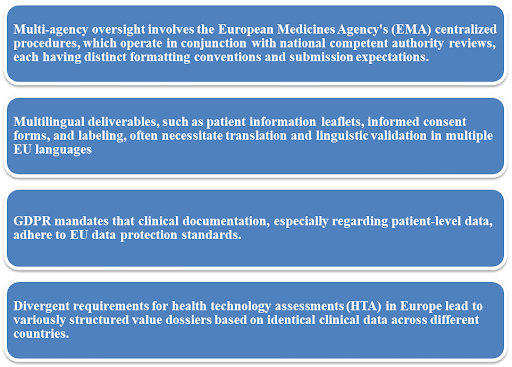
A medical writing partner lacking familiarity with the submission and review process can unintentionally cause delays that are particularly detrimental for sponsors.
- Core Categories of Medical Writing Services
- Regulatory Medical Writing
The backbone of regulatory medical writing includes the importance of clinical study reports (CSRs), investigator’s brochures, Common Technical Document (CTD) modules, protocols, and informed consent forms. It highlights that effective medical writing involves not only compliance with formatting but also a deep understanding of statistical analysis to accurately represent results and anticipate reviewer inquiries.
- Scientific and Publication Writing
Manuscripts, congress abstracts, and posters conveying clinical and translational findings are increasingly required in Europe to adhere to GPP3 guidelines and align with ICMJE authorship criteria, especially for sponsor-funded research submitted to peer-reviewed journals.
- Medical Communications and Scientific Platforms
Slide decks, advisory board materials, medical information responses, and scientific narratives are essential for internal alignment and engaging healthcare professionals. Writers need to effectively translate complex clinical data into scientifically rigorous yet accessible materials for non-specialist audiences.
- Patient-Facing and Plain-Language Documentation
Patient information leaflets, informed consent materials, and lay summaries of clinical trial results are increasingly emphasized by regulations, particularly the EU Clinical Trials Regulation that mandates the publication of lay summaries for all EU trials. This requires specialized skills in health literacy and often involves multilingual delivery, distinct from technical regulatory writing.
- Health Technology Assessment (HTA) and Market Access Writing
Value dossiers, reimbursement submissions, and evidence synthesis documents must meet the specifications of national Health Technology Assessment (HTA) bodies like Germany’s IQWiG, France’s HAS, and the UK’s NICE. Creating these documents requires tight collaboration among medical writers, health economists, and regulatory strategists.
- What to Look for in a European Medical Writing Partner
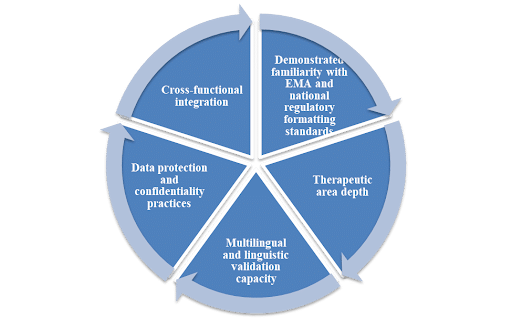
Sponsors assessing medical writing providers in Europe should prioritize specific capabilities over general writing skills. Key considerations include expertise in EMA and national regulatory formatting, depth in specialized therapeutic areas, in-house multilingual validation, GDPR-compliant data protection practices, and integration with regulatory, biostatistical, and clinical operations teams to ensure consistency in submission strategies.
CurexBio offers medical writing services designed around the specific demands of the European regulatory environment, spanning the full range of document types sponsors need across a program’s lifecycle—from early clinical documentation through post-approval communications.
This includes:
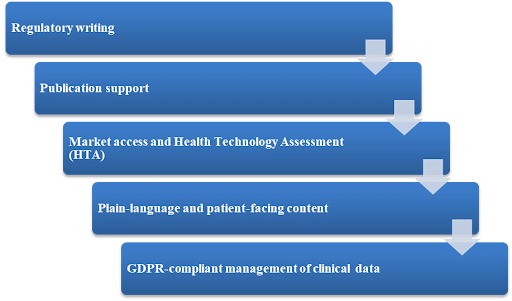
- Regulatory writing encompasses the creation of essential documents such as Clinical Study Reports (CSRs), Investigator’s Brochures, Common Technical Document (CTD) modules, and protocols, all designed to comply with the standards established by the European Medicines Agency (EMA) and national authorities.
- Publication support includes the formulation of manuscripts, abstracts, and materials for congresses, following the guidelines of Good Publication Practice (GPP3) and the International Committee of Medical Journal Editors (ICMJE).
- Developing plain-language, patient-facing content is critical to ensure lay summaries and patient materials comply with EU Clinical Trials Regulation standards and remain accessible.
- Additionally, market access and Health Technology Assessment (HTA) documentation involve crafting value dossiers and evidence summaries tailored to the specific requirements of different national HTA processes. The process benefits from multilingual delivery, allowing for documentation to be prepared and linguistically validated in major European languages, thereby minimizing the need for external translation vendors.
- Furthermore, the process emphasizes integrated quality and compliance oversight, aligning writing workflows with sponsors’ regulatory and pharmacovigilance obligations, including GDPR-compliant management of clinical data.
By leveraging both therapeutic and regulatory expertise along with the operational ability to function in various European markets and languages, CurexBio seeks to alleviate the coordination challenges that sponsors frequently face when medical writing, regulatory strategy, and market access tasks are managed by separate vendors.
CurexBio’s medical writing services are designed to deliver full-spectrum capability, offering essential regulatory, scientific, and linguistic support to pharmaceutical and biotech sponsors aiming to meet the demands of European markets.
Need full-spectrum medical writing services in Europe? Contact the CurexBio team today!


