
If you work in the biotech or pharmaceutical sectors, you understand that an inadequately structured protocol can significantly hinder a regulatory submission, leading to substantial financial losses and time delays in market entry. At CurexBio, we have observed instances where exceptional scientific efforts falter due to preventable protocol errors in regulatory affairs during the submission phase. To address this issue, we are providing a detailed, actionable checklist grounded in experience for constructing high-quality, submission-ready protocols. Adhering to these guidelines will enhance your dossier, regulatory affairs submission, fulfill reviewer expectations, and maintain your development timeline.
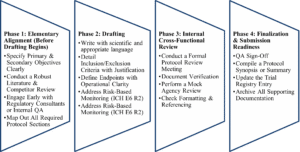 Figure 1: Steps for Pre-submission Protocol Checklist
Protocol Quality Matters More Than Ever-Why?
Regulatory agencies such as the FDA and EMA are not only examining data but also the processes behind it. An unclear or poorly designed protocol can indicate larger quality issues, leading to an increase in refusal-to-file letters, clinical holds, and extensive information inquiries tied to protocol flaws. Here, CurexBio focuses on protocol optimization and regulatory preparedness, providing guidance for early- to mid-stage biotechnology companies to meet these essential criteria effectively.Actionable Steps for Pre-Submission Protocol Checklist in Regulatory Affairs
Figure 1: Steps for Pre-submission Protocol Checklist
Phase 1: Elementary Alignment (Before Drafting Begins)
- Specify Primary & Secondary Objectives Clearly
- Conduct a Robust Literature & Competitor Review
- Engage Early with Regulatory Consultants or Internal QA
- Map Out All Required Protocol Sections
Phase 2: Drafting with Precision
- Write with Unambiguous Language
- Detail Inclusion/Exclusion Criteria with Justification
- Define Endpoints with Operational Clarity
- Describe Detail Statistical Methods
- Address Risk-Based Monitoring (ICH E6 R2)
- Incorporate Patient Safety & Ethical Protections
Phase 3: Internal Cross-Functional Review
- Conduct a Formal Protocol Review Meeting
- Verify Consistency Across All Documents
- Perform a Mock Agency Review
- Check Formatting & Referencing
Phase 4: Finalization & Submission Readiness
- QA Sign-Off
- Compile a Protocol Synopsis or Summary
- Update the Trial Registry Entry
- Archive All Supporting Documentation
Curex Bio Supports Your Protocol Success-How?
We know that small and mid-sized teams often lack dedicated protocol authorship experts. That’s where we add value:- End-to-End Protocol Development involves creating submission-ready documents that meet agency expectations, ensuring a comprehensive process from initial concept to final submission.
- Gap Analysis and Pre-Submission Review involve identifying weaknesses in processes or submissions prior to regulatory scrutiny, thereby enabling organizations to address potential issues proactively.
- Modular Protocol Templates are customizable, ICH-compliant tools that enhance the efficiency of drafting while ensuring quality standards are met.
- Training & Workshops: Equip your team with optimal approaches in protocol design and regulatory strategy.
Our clients confidently progress toward submission by avoiding pitfalls such as ambiguous endpoints, inconsistent statistical plans, and inadequate risk monitoring—common challenges encountered during regulatory affairs submissions.
A high-quality protocol serves as a strategic document that reflects a company’s scientific integrity and operational effectiveness, transforming protocol development within regulatory affairs from a compliance challenge into a competitive asset through a systematic, checklist-based approach.


